

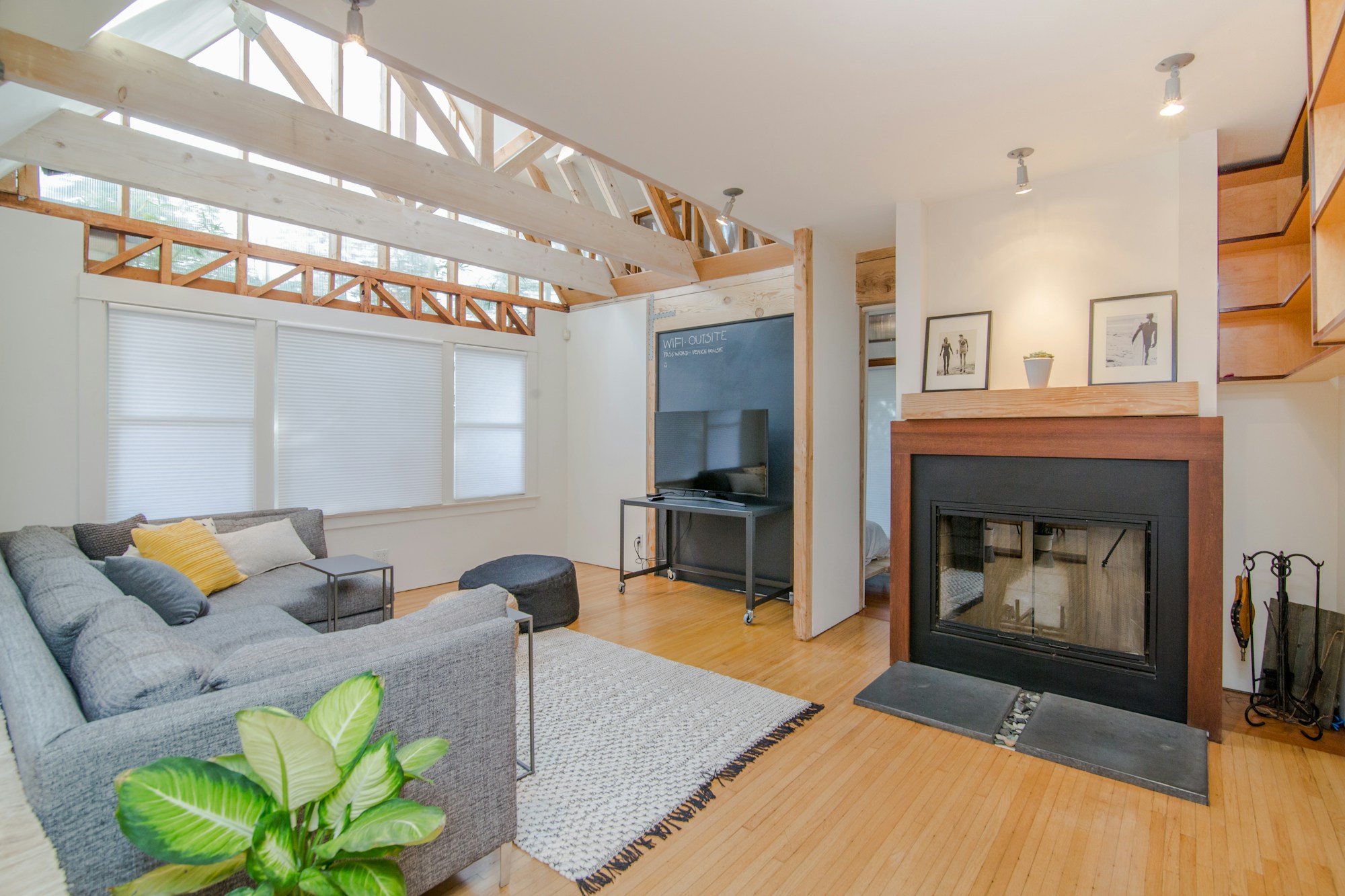
In the digital age we live in, technology is merging increasingly synergistically with our daily lives, offering innovative solutions to improve our comfort and simplify everyday tasks.
Homes are becoming increasingly “smart,” thanks to smart home systems that offer advanced solutions for the control and automation of various aspects of domestic life.
From lights that adapt to your preferences to heating that learns your habits, smart home systems are redefining what it means to live in an intelligent and technologically advanced space.
What is Home Automation:
It is the field of engineering that integrates technology into the home environment to optimize resource control and management. This innovation encompasses a wide range of interconnected devices and systems, allowing users to monitor and control different aspects of their home with ease and efficiency. Among the distinctive features of smart home systems are centralized control systems, which allow for the management and programming of electronic devices and systems through a single interface. This can be achieved through mobile apps, touch screen control panels, or even voice commands, making interaction with home technology more intuitive and accessible.
Smart home systems extend to multiple areas, including lighting, heating, ventilation, security, and entertainment. Imagine being able to adjust the intensity of the lights with a simple touch on your smartphone, or customizing your home’s temperature while you are still at the office, creating a welcoming environment the moment you cross the threshold. Home automation offers unprecedented control over your residence, making your home a place tailored to your needs and preferences.
Another key element of home automation is sensors, devices capable of detecting changes in the surrounding environment. These sensors contribute to automation, allowing the system to react automatically to stimuli such as movement, door openings, or temperature changes. This automation not only improves convenience but can also lead to significant energy savings by reducing waste.
Home automation represents the evolution of the traditional home, transforming it into a dynamic and intelligent entity. With the ability to customize every aspect of your residence, smart home systems offer a glimpse into how technology can improve our lifestyle, making the home an increasingly connected, efficient, and tailored place.
This transformation integrates perfectly with interior renovation projects, where comfort and energy efficiency are central.
Advantages of Home Automation:
- Energy Efficiency: Smart home systems revolutionize energy efficiency, allowing for precise control of consumption. By programming the automatic turning on and off of devices such as lights and heating, users can reduce energy costs, while also contributing to environmental sustainability. Furthermore, the ability to monitor and optimize energy use in real time allows for dynamic adjustment of consumption based on needs, promoting a more sustainable lifestyle.
- Security: One of the key advantages of home automation is the boost it provides to home security. Thanks to intelligent video surveillance systems, motion sensors, and connected alarms, users can monitor their homes remotely and receive real-time notifications in case of suspicious activity. This advanced security offers priceless peace of mind, allowing residents to feel protected and safe, even when they are away.
- Convenience: Home automation offers an unparalleled level of convenience in daily life. Through intelligent programming, users can automate daily routines, such as turning on lights at sunset or automatically adjusting the temperature during sleeping hours. Additionally, the integration of voice assistants like Amazon Alexa or Google Assistant allows for home control with a simple voice command, offering an even more intuitive and effortless experience. The ease of use and customization of functions make home automation a convenient solution for simplifying daily life, saving time and energy.
Many clients choose home automation as part of turnkey renovations, achieving a unique, coordinated, and personalized project. - Remote Access: Another convenient aspect of home automation is the ability to control your home remotely through mobile devices. Regardless of location, users can check security status, adjust the temperature, or even control appliances with a few taps on their smartphone screen. This remote access provides a constant sense of control over one’s home, adding a level of flexibility and adaptability that translates into a more convenient and tailored living experience.
Components of Smart Home Systems:
- Control Systems: Control systems constitute the brain of smart home installations, allowing users to manage and monitor all devices with a single interface. These can consist of intelligent hubs or mobile apps, providing centralized control that simplifies interaction with the entire automation network.
- Sensors: A fundamental element of smart home systems is sensors. These devices detect environmental variations such as movement, door openings, or temperature changes. Thanks to this functionality, the system can automate specific actions, improving the home’s security and energy efficiency. For example, motion sensors can activate lights when they detect someone’s presence in a room, ensuring optimal lighting management.
- Smart Devices: Smart home systems involve a wide range of intelligent devices, from thermostats and lights to appliances and security cameras. All these devices are designed to be connected to the network, allowing users to control and monitor them remotely. The integration of smart devices contributes to the automation and personalization of the home environment, creating a smart home that responds to the individual needs of its residents.
- Network Infrastructure: A crucial component of smart home systems is the network infrastructure. A reliable and fast connection is essential to ensure smooth communication between all devices. The presence of a robust network ensures that commands sent via the mobile app or central control system are executed in a timely manner, contributing to a seamless user experience.
- Software and Protocols: Smart home systems use various software and protocols to enable communication between devices. Examples include Zigbee, Z-Wave, and Wi-Fi. The compatibility and interoperability of these protocols are essential to ensure that devices from different manufacturers can work synergistically within the same system.
These components work together synergistically, forming a complete smart home system that offers users intuitive and automated control over their home.
Practical Implementation:
Practical implementations of home automation are extremely versatile and can be adapted to the specific needs and preferences of users. Here are some of the most common practical implementations in daily life:
Smart Lighting:
- Remote control of lights via smartphone or voice assistants.
- Automatic programming for turning lights on and off.
- Adjustment of light intensity based on the time of day or activities.
Climate Management:
- Automatic temperature regulation through smart thermostats.
- Programming of heating or cooling schedules.
- Integration with temperature sensors to optimize energy efficiency.
Security and Surveillance:
- Integrated security systems with smart cameras.
- Motion sensors and alarms connected to monitoring services.
- Instant notifications in case of suspicious activity or emergencies.
Appliance Automation:
- Remote control of appliances such as ovens, dishwashers, and washing machines.
- Programming of start and stop times for appliances.
- Monitoring and optimization of energy consumption.
Appliance Automation:
- Real-time monitoring of energy consumption.
- Control of electronic devices to reduce energy waste.
- Integration with renewable energy sources such as solar panels.
Fixture Automation:
- Programmable electric shutters or automatic blinds.
- Light sensors to automatically adjust fixture coverage.
- Remote control of opening and closing fixtures via app or voice assistants.
Entertainment Systems:
- Integration of audio and video systems for centralized management.
- Programming of musical playlists and preset cinematic scenes.
- Remote control of TVs, audio systems, and entertainment devices.
Water Conservation:
- Automatic irrigation systems programmable based on weather conditions.
- Water leak detection and real-time notifications.
- Monitoring and remote control of water consumption.
Remote Access and Smart Locks:
- Remote door unlocking via smartphone.
- Notifications in case of unauthorized access.
- Access history for increased security.
Home Assistance:
- Support devices for the elderly or people with disabilities.
- Detection of falls or emergency situations.
- Health monitoring through smart devices.
Conclusion
Smart home systems represent the future of intelligent living, offering an unprecedented level of convenience and control. With a wide range of applications and benefits, investing in a home automation system can significantly improve your daily life, bringing your home into the twenty-first century in a smart and innovative way. Explore the available options with us and prepare for a smarter, more connected living future.
Do you want to make your home more modern and intelligent?
Discover our
interior renovation
solutions and
turnkey
projects by Etenim.
Frequently Asked Questions about Smart Home Systems
What is home automation?
Home automation is the integration of technologies and connected devices within the home to automate functions such as lighting, heating, security, and entertainment. It allows for centralized management via apps, panels, or voice commands.
How much does a smart home system cost?
The cost depends on the type of home, the number of devices, and the desired level of automation. It can range from a few hundred dollars for basic solutions to complete systems exceeding several thousand dollars.
What are the main advantages of home automation?
Smart home systems improve energy efficiency, increase security, and simplify daily life through automation. They offer personalized comfort and the ability to manage the home remotely.
What components make up a smart home system?
A smart home system consists of centralized control systems (hubs or apps), sensors, smart devices (lights, thermostats, cameras), network infrastructure, and communication protocols.
Can I control my home remotely?
Yes. Thanks to apps and voice assistants, it is possible to monitor and control your home wherever you are, adjusting temperature, lights, appliances, and security systems with just a few taps.
Does home automation increase home security?
Yes. Smart cameras, motion sensors, connected alarms, and instant notifications allow you to prevent intrusions and manage emergencies even when you are not at home.
What protocols and technologies are used?
Smart home systems use protocols such as Zigbee, Z-Wave, or Wi-Fi, which allow communication between devices from different manufacturers and ensure interoperability and stability.
Is an active Internet connection always required?
Not always. Basic local functions (e.g., turning on lights with a sensor) work even without Internet, but for remote control, real-time notifications, and integration with voice assistants, a stable connection is needed.
